
The Fishermen’s Trail — The Complete Guide for Travellers and Adventurers

Updated: Jul 23

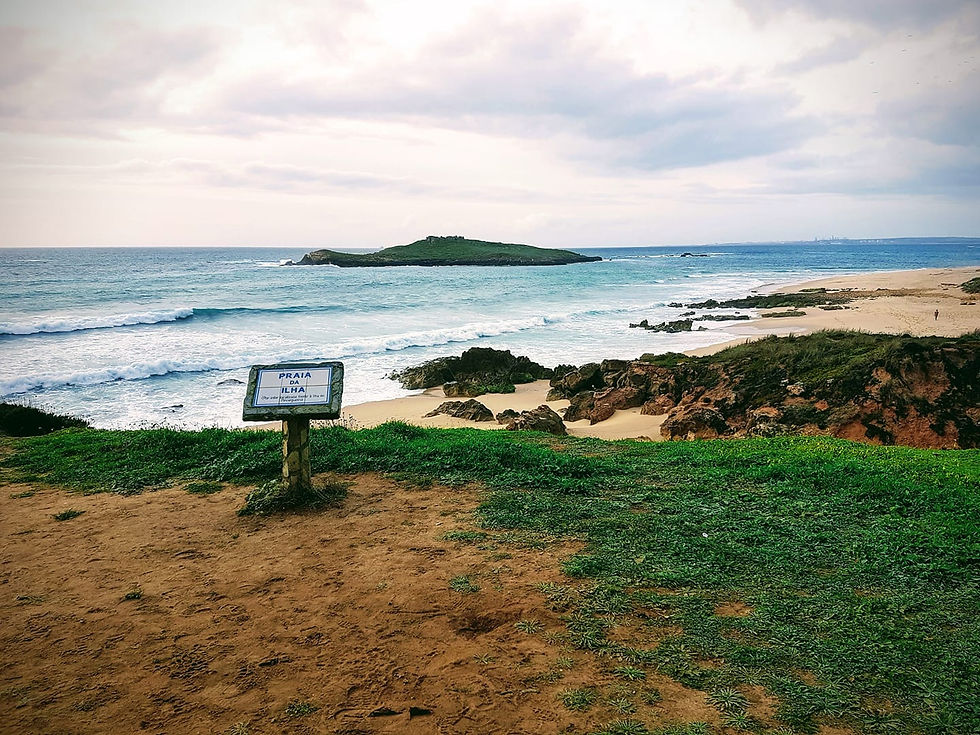
Steep cliffs, wild beaches and small villages overlooking the Atlantic are just some of the reasons why this Great Route offers one of the most unforgettable walking experiences in Europe.
Part of the famous Rota Vicentina, the Fishermen’s Trail runs through part of the Southwest Alentejo and Vicentine Coast Natural Park. In recent years, it has become a favourite destination for nature lovers, walkers and adventurers seeking authentic experiences.
If you’re thinking of walking the Fishermen’s Trail, this guide will help you prepare for your adventure. Here you’ll find information on the stages, the duration of the walk, the best time of year to walk, recommended equipment and the options available for organising your trip.
What is the Fishermen’s Trail?
The Fishermen’s Trail is one of the most iconic walking routes on the Rota Vicentina, located in south-western Portugal. The route follows the coastline between São Torpes (Sines) in the Alentejo and Lagos in the Algarve, passing through some of the country’s most stunning coastal landscapes.
Originally used by local fishermen to reach beaches and fishing grounds, the trail has been adapted for walking, whilst retaining the region’s wild and authentic character.
It is no coincidence that the Fishermen’s Trail frequently features in international rankings of Europe’s best coastal walks.
The combination of stunning landscapes, idyllic beaches and traditional villages creates an experience that is hard to find in other European destinations. Walking along cliffs overlooking the Atlantic, crossing wild dunes and ending the day’s walk in a small village where you can enjoy a delicious plate of fresh grilled fish are just some of the experiences you can look forward to.
Despite its growing popularity, much of the Costa Vicentina remains relatively untouched by mass tourism. This allows travellers to experience a more authentic, peaceful Portugal that is deeply connected to nature.
What’s more, the Fishermen’s Trail fits perfectly with the concept of slow travel – that is, travelling at a leisurely pace, with time to take in the scenery, the local culture and the present moment.
The difference between the Fishermen’s Trail and the Historic Path
Many travellers confuse the Fishermen’s Trail with the Historic Way, but there are important differences. Both form part of the Rota Vicentina, but offer quite different experiences.
The Fishermen’s Trail mostly follows the coastline, offering stunning views of the sea, beaches and cliffs. The Historical Route, on the other hand, winds its way through the Alentejo countryside, passing through farmland, woodlands and small rural villages.
In terms of difficulty, the Fishermen’s Trail tends to be more challenging due to the loose sand and exposure to the wind and sun. On the other hand, it offers truly memorable coastal views.

Stages of the Fishermen’s Trail
The Fishermen’s Trail is officially divided into 13 stages. However, many walkers choose to combine or shorten some stages, depending on the time available and the location of accommodation.
In total, the trail stretches for approximately 226.5 km along the south-west coast of Portugal.
São Torpes – Porto Covo: 10 km
Porto Covo – Vila Nova de Milfontes: 20 km
Vila Nova de Milfontes – Almograve: 15 km
Almograve – Zambujeira do Mar: 22 km
Zambujeira do Mar – Odeceixe: 19 km
Odeceixe – Aljezur: 22 km
Aljezur – Arrifana: 17 km
Arrifana – Carrapateira: 20 km
Carrapateira – Vila do Bispo: 15 km
Vila do Bispo – Sagres: 20 km
Sagres – Salema: 20 km
Salema – Luz: 11 km
Luz – Lagos: 15 km
You don’t need to walk the full 226.5 km to enjoy the experience. One of the great advantages of this route is its flexibility, allowing you to tailor your itinerary to the time you have available and your own pace. For those who only have a few days, a 3- to 5-day hike is enough to discover some of the most scenic sections of the Fishermen’s Trail.
Those looking for a more comprehensive adventure can walk the entire trail over the course of around two weeks, exploring the full range of landscapes that make this route so special.
Would you like to walk the Fishermen’s Trail without having to worry about the logistics?
For those who prefer to walk without having to worry about the logistics, there are packages that include accommodation, luggage transport and logistical support along the route.
Walking the Fishermen’s Trail is an unforgettable experience, but organising the trip may take longer than you might think. Choosing the stages, booking accommodation and planning what to pack are just some of the details to bear in mind.
For those who prefer to focus solely on walking and exploring the Costa Vicentina, there are packages that take care of all the logistics. With accommodation booked, luggage transferred between stages and a carefully planned itinerary, you can concentrate on what really matters: walking at your own pace, taking in the scenery and enjoying the experience.

When is the best time of year to walk the Fishermen’s Trail?
Spring
Many people consider spring to be the best time to walk the Fishermen’s Trail. Between March and May, the temperatures are mild, the days start to get longer and the landscape is transformed by wildflowers scattered across the cliffs, dunes and fields.
Autumn
Autumn is another excellent option, particularly between September and November. At this time of year, the region is quieter and the weather is ideal for long walks. The golden light of this season also lends a special atmosphere to the landscapes of the Costa Vicentina, making the route even more photogenic.
Because summer isn’t the best time
Summer is not the best time of year to walk the Fishermen’s Trail. The high temperatures, strong sunshine and lack of shade can make the walk quite tiring, especially on the sections with loose sand.
What’s more, accommodation tends to sell out quickly and prices rise significantly during July and August.
For a more comfortable and enjoyable experience, spring and autumn remain the best choices.

Is the Fishermen’s Trail difficult?
The difficulty level of the Fishermen’s Trail depends on the section you choose and your experience of multi-day hikes. On average, each stage is between 15 and 25 kilometres long, a distance that is manageable for most people in reasonably good physical shape.
Even so, the terrain makes all the difference. If there’s one thing that surprises many walkers, it’s the amount of sand along the route. On some sections, particularly between Porto Covo and Vila Nova de Milfontes, there are long stretches of loose sand that make the walk more demanding. After a few hours, your body begins to feel the strain: with every step, you sink slightly, forcing your legs to work harder.
Despite these challenges, the Fishermen’s Trail is far from being an extreme expedition. With a steady pace, stages suited to your fitness level and a well-packed rucksack, the experience is perfectly accessible to beginners.
A bit of preparation goes a long way. Going for regular walks in the weeks leading up to the event and doing some endurance training can make the experience much more comfortable. The most important thing is to be able to maintain a steady pace for several hours at a time, especially on uneven terrain.
For those planning their first experience of this kind, having accommodation booked in advance and luggage transferred between stages can make the journey more comfortable and allow you to enjoy the walk with greater peace of mind.

What to Pack in Your Rucksack
A rucksack that’s too heavy can turn an amazing experience into a real challenge. That’s why the key here is simplicity. Less weight means more comfort throughout the day.
The essentials include:
A comfortable and lightweight rucksack
Second-hand trail boots or trainers
Hat and sunglasses
Sunscreen
Reusable water bottle
Power bank
Lightweight raincoat
Small first-aid kit
When it comes to clothing, it’s best to opt for technical, breathable and comfortable garments that are suited to the changes in temperature throughout the day. Even in warmer seasons, mornings can be chilly due to the Atlantic breeze, so dressing in layers remains one of the best options.
When it comes to footwear, comfort is key. The Fishermen’s Trail isn’t the best place to break in a new pair of boots. Choose a lightweight pair with good grip that’s already broken in.
There are also a few small details that can make all the difference along the way:
Walking poles, which are particularly useful on sandy stretches
Technical socks to help prevent blisters
Energy snacks for the journey between locations and refuelling points
A windbreaker, an essential item on many stages

Where to stay on the Fishermen’s Trail
Along the Fishermen’s Trail, there is a wide variety of accommodation to suit different travel styles and budgets. You can find hostels and budget accommodation, ideal for those looking for a more affordable option and a sociable atmosphere, as well as boutique hotels, charming guesthouses and rural tourism establishments offering greater comfort and tranquillity.
Many of these accommodations reflect the character of the region, combining traditional architecture, a strong connection to nature and local hospitality. For those seeking a more authentic experience, small country estates, traditional houses and family-run guesthouses offer a deeper insight into the culture and way of life of the Costa Vicentina.
It is advisable to book your accommodation in advance, as the Fishermen’s Trail has been attracting an increasing number of walkers from all over the world.

Local cuisine of the Costa Vicentina
The food is one of the most pleasant surprises for those walking the Fishermen’s Trail. Along the route, you’ll find everything from small family-run restaurants to more contemporary eateries, where local produce remains the star of the show.
Fresh fish and seafood feature prominently on the menus, with specialities such as sea bass, gilthead seabream, sardines, octopus and barnacles. In many coastal towns, the fish arrives daily from local fishing ports, ensuring a level of freshness that is hard to match.
The region also blends the culinary traditions of the Alentejo and the Algarve. Dishes such as açordas, migas, artisanal cheeses, regional sausages and traditional sweets are all part of the experience, offering simple, authentic and comforting meals after a day’s walk.
More than just a break to recharge your batteries, every meal is an opportunity to discover the flavours and identity of one of Portugal’s most authentic regions.
Recommended restaurants and cafés
Tasca do Celso - Vila Nova de Mil Fontes
Marisqueira Costa Alentejana - Zambujeira do Mar
Sweet Potato Museum - Rogil
Várzea Horta & Bistrot - Aljezur
Retiro do Pescador - Sagres
Vegetarian and vegan options
Despite its strong tradition of fish and seafood, the region is increasingly well-equipped to cater for vegetarian and vegan travellers. In some towns, there are already cafés and restaurants offering a varied and creative range of dishes.
Veg & Tal - Sines
Gaia - Rogil
A Moagem - Aljezur

How to get to the Fishermen’s Trail
The main entry points for the Fishermen’s Trail are Lisbon and Faro. From Lisbon, you can easily reach Porto Covo, Vila Nova de Milfontes, Zambujeira do Mar or Lagos by bus, private transfer or hire car.
For those wishing to explore the Algarve sections of the trail, Faro Airport is usually the most convenient option. From the airport, there are connections to places such as Lagos, Vila do Bispo and Aljezur via public transport, private transfer or hire car.
There are also bus services connecting various towns along the Costa Vicentina, although timetables may be more limited outside the high season. For those seeking greater flexibility or wishing to minimise travel times, private transfers are often the most practical solution.
Important tips for walking the Fishermen’s Trail
Book transport and accommodation in advance.
Save offline versions of the maps.
Take some cash with you for smaller towns.
Always check the wind and heat forecast before each stage.
Keep a safe distance from the cliffs.
Take enough water, use sun cream and take regular breaks to avoid dehydration and exhaustion.
Respect nature and the signposted trails. Don’t forget that the Fishermen’s Trails are located within a protected area of immense ecological value.

Join our programme on the Fishermen’s Trail
Our programme has been designed to offer a complete experience on the Fishermen’s Trail, combining adventure, comfort and authenticity.
What's included
Accompaniment by a certified guide throughout all hikes
Initial in-person briefing and group dinner on the first day
7 nights’ accommodation
Group dinner on the first evening
Luggage transport between stages
Ongoing logistical support throughout the programme
Personal accident insurance
Local transport between stages
Small groups, to ensure safety, quality and personalised attention
Who is this programme aimed at?
This programme is ideal for:
Nature and adventure lovers
People looking for an active yet comfortable experience
Solo travellers
Couples and small groups
Those who want to hike the trail without any logistical hassles
Dates and availability
We currently have the following departure available for the Fishermen’s Trail:
15–22 November 2026 – last 3 places available
If you’d like to explore one of Europe’s most stunning coastal trails, this is an excellent opportunity to do so with all the logistics taken care of and the support of Quimera Travel Experiences.
Your guide on this adventure

Michael Guerreiro
With over 10 years’ experience in nature tourism and guiding groups, Michael has an in-depth knowledge of the trails along the Rota Vicentina and Portugal’s south-west coast.
Throughout the route, he shares his knowledge of the area, the landscape and local history, ensuring expert guidance, safety and a unique insight into this exceptional coastline.
Once you’ve booked, we’ll take care of all the logistics so you can focus solely on getting ready for the adventure.
If you’re looking to discover the most authentic side of Portugal, walk along the Atlantic coast and enjoy a truly memorable experience, the Fishermen’s Trail might be just what you’re looking for.

Conclusion
The Fishermen’s Trail is an experience that combines nature, adventure, fine dining and local culture as you explore Portugal’s south-west coast.
Along this route, by the ocean, you’ll encounter unforgettable scenery and warm, welcoming people.
Whether you choose to walk just a few sections or embark on the full adventure, one thing is almost certain: you’ll finish the trail wanting to come back.
And for those looking to enjoy this experience without having to worry about the logistics, an organised tour can make the whole trip even more relaxing and memorable.


Comments